🌱Inside Food - Summer School in the Agrifood Area at Università Cattolica (Cremona Campus)
How can we inspire the next generation of food scientists and agrifood professionals?
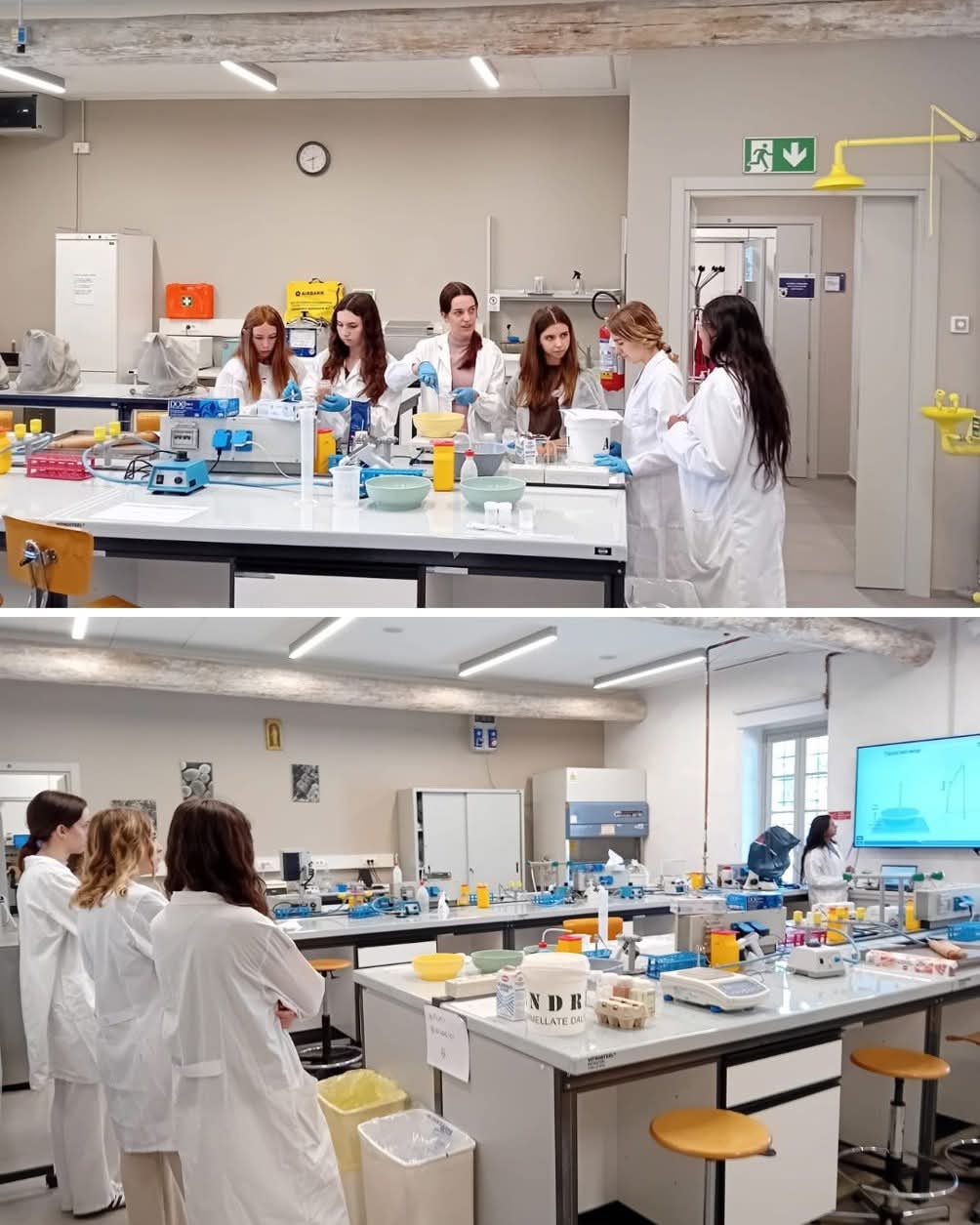
The Inside Food Summer School welcomed high school students to the Cremona Campus of Università Cattolica for an immersive orientation experience combining hands-on laboratory activities, site visits, interactive lectures, and discussions with faculty members and industry experts.
Throughout the programme, participants explored some of the most relevant challenges and opportunities in the agrifood sector, including: 🌾 Food production ♻️ Sustainability 💡 Innovation 🛡️ Food safety
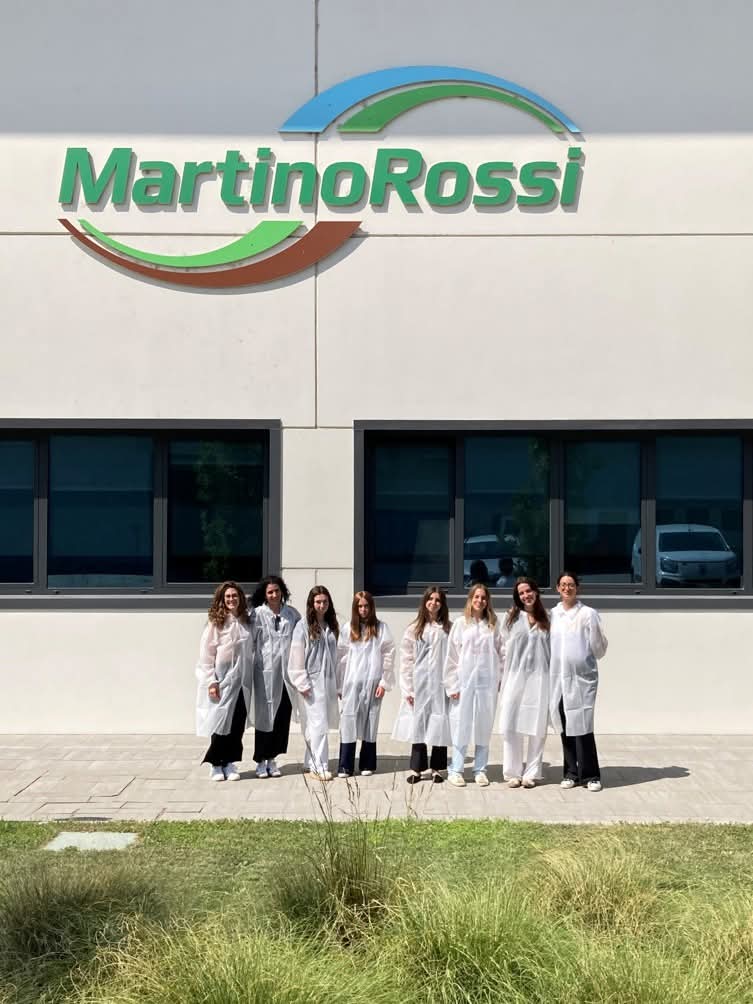
A highlight of the experience was the visit to Martino Rossi, where students discovered how cereals and legumes from controlled supply chains are cultivated, selected, and processed into high-quality gluten-free and allergen-free ingredients. The visit provided first-hand insight into the development of flours, semi-finished products, clean-label ingredients, and plant-based proteins for a wide range of food applications, from pasta and baked goods to snacks and innovative plant-based foods.
🎓 More than a summer school, Inside Food offered students the opportunity to connect science with real-world applications and to make a more informed choice about their future academic and professional paths in agriculture and food sciences.
🌱 Fermentation is one of the oldest and most fascinating biotechnologies, and today it is opening new possibilities for more sustainable and innovative foods.
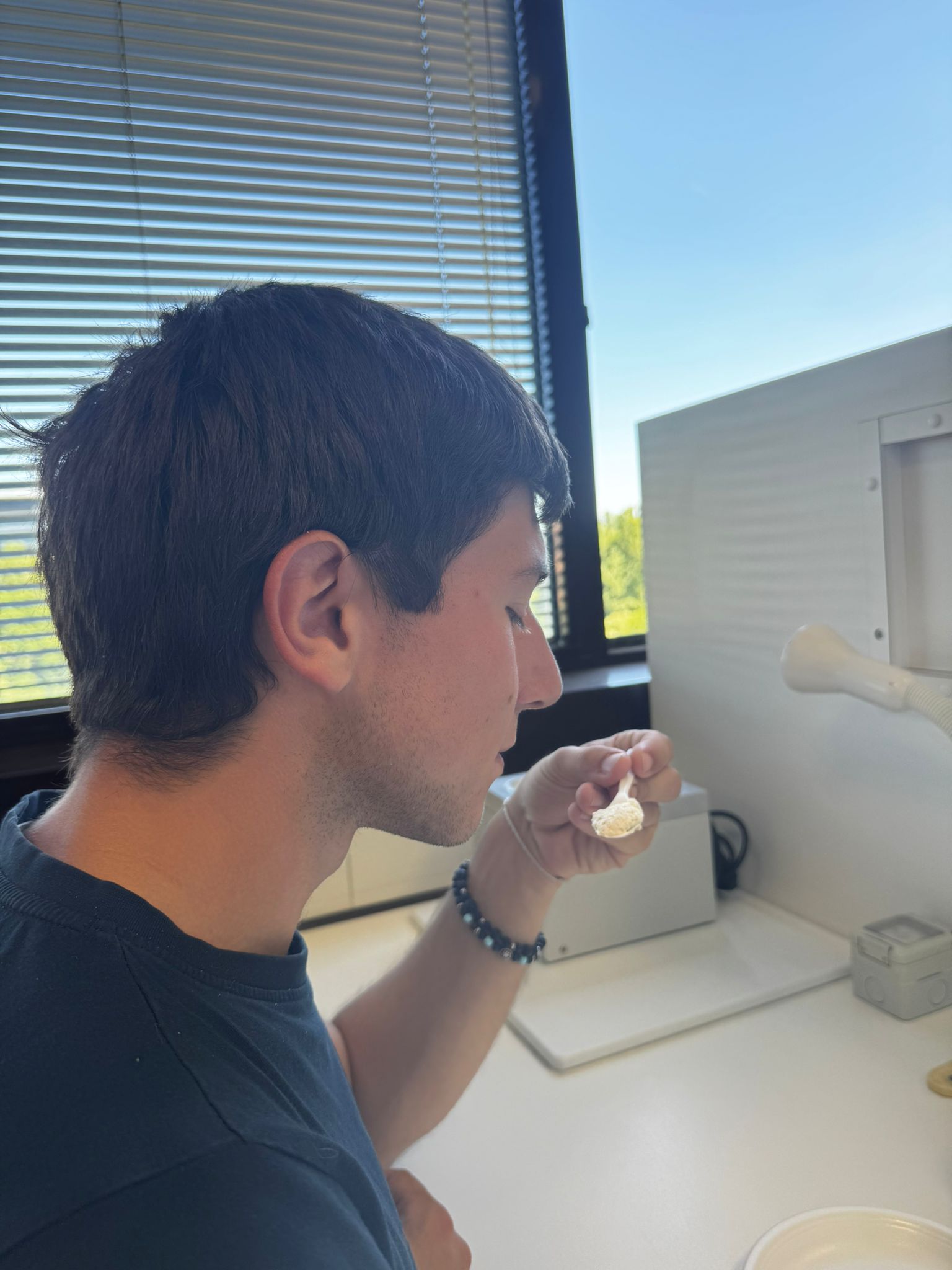
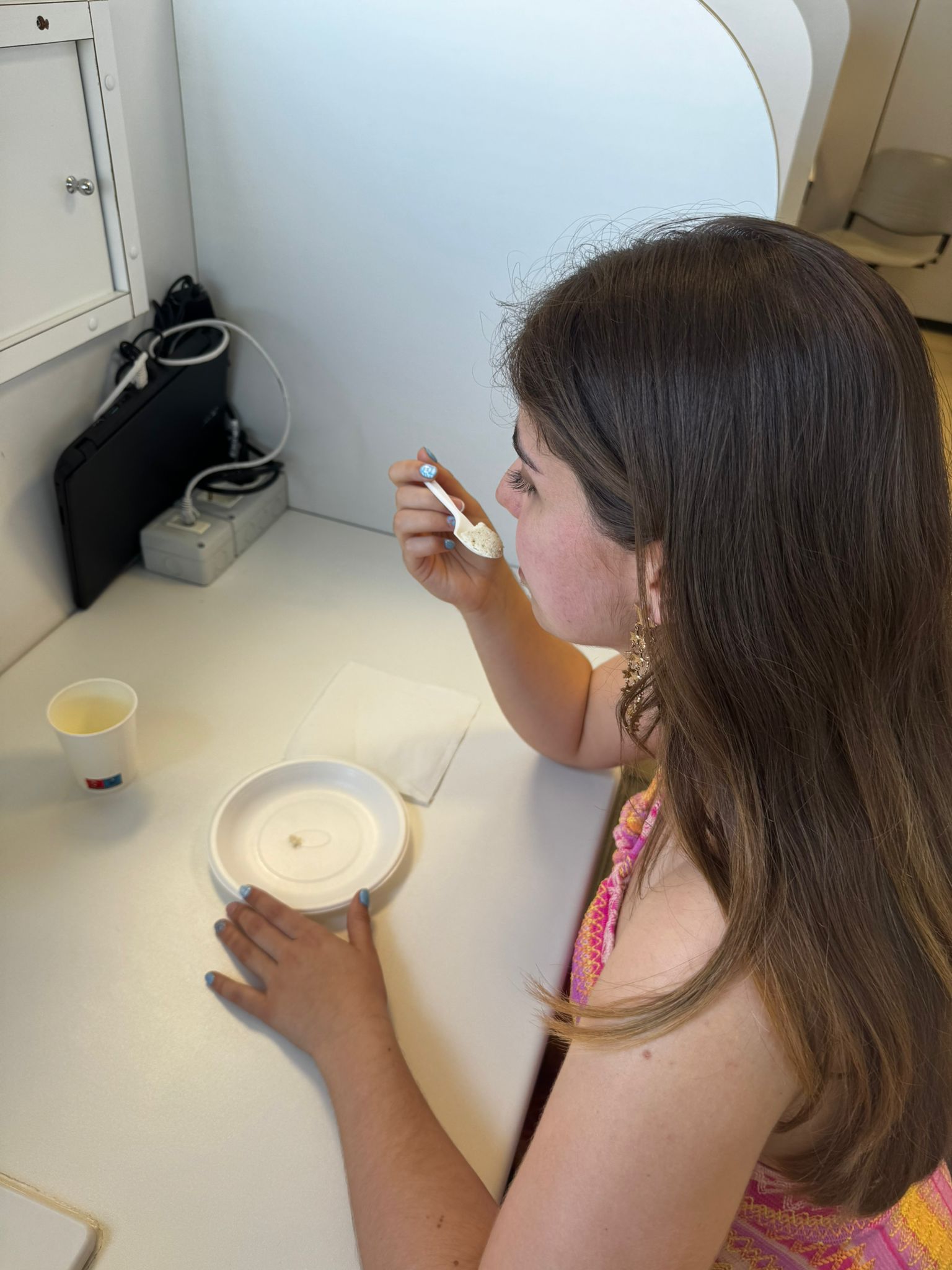
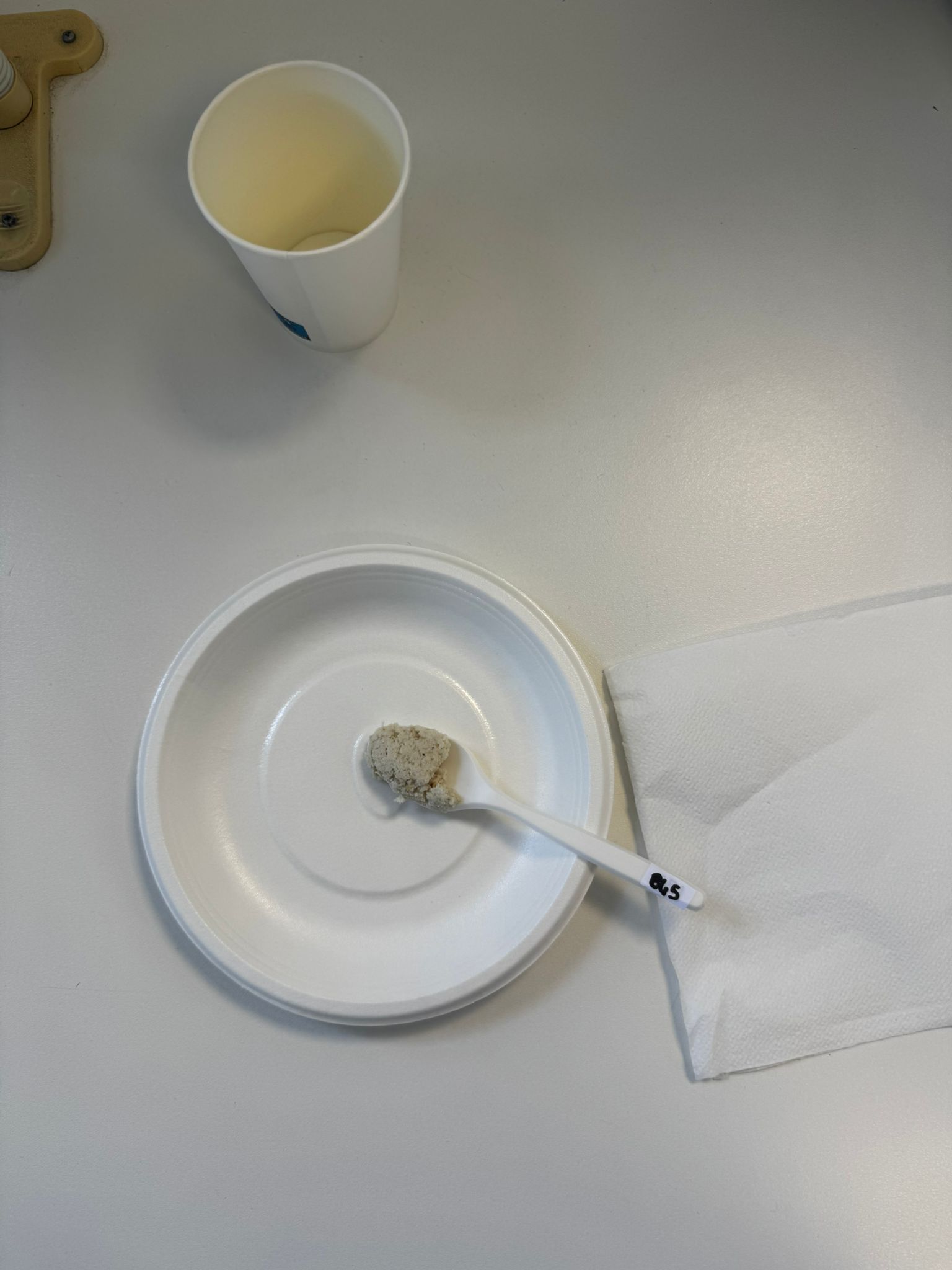
At the LACASS Sensory Laboratory of the University of Bologna - DISTAL, the tasting sessions for fermented nut-based products, developed as plant-based alternatives to spreadable cheeses, have officially concluded within the project 🔬
👩🔬👨🔬 More than 100 participants contributed to the study, helping researchers better understand how consumers perceive the sensory characteristics of these innovative products.
📊 The next step will be the analysis of the collected data, which will provide valuable insights into the sensory profile, the consumer acceptance and the potential of fermented plant-based foods in sustainable food systems.
🌍 Research on fermentation and plant-based alternatives can play an important role in supporting dietary diversification, reducing environmental impact, and promoting innovation in the agri-food sector.
🙏 Thank you to everyone who participated in the tastings and contributed to advancing food research and innovation!
What If Your Favourite Foods Could Be Healthier?
Did you know that fermentation is one of the oldest methods of food preservation?
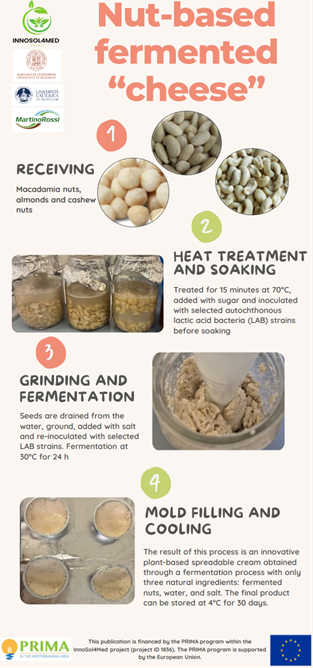
Figure 1. Nut-based fermented cheese
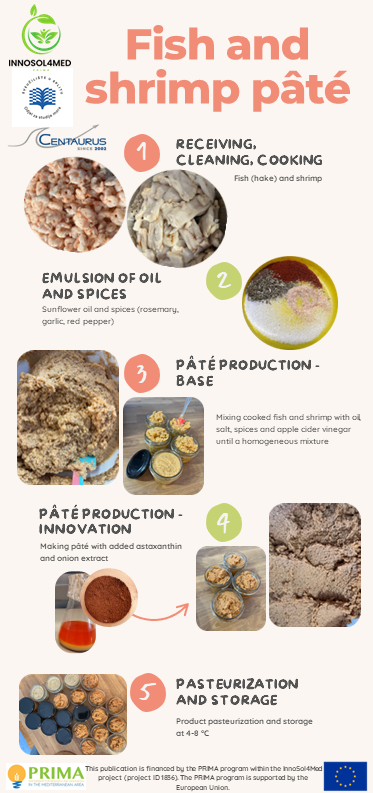
Did you know that fish and shrimp can be transformed into a highly nutritious and innovative functional food product? 🐟🦐
Within the InnoSol4Med project, researchers developed a functional ready-to-eat hummus inspired by the Mediterranean diet. Prepared with chickpeas, tahini, olive oil, and lemon juice, the hummus is enriched with natural extracts recovered from onion and leek by-products using innovative green extraction technologies, including microwave-, ultrasound-, and enzyme-assisted extraction (Figure 3.).
Rather than being discarded, these by-products are given a second life by recovering naturally occurring bioactive compounds that can contribute to the nutritional value and functionality of the final product. This approach supports the principles of the circular economy, helping to reduce food waste while promoting the sustainable use of natural resources.
The prototype demonstrates how traditional Mediterranean foods can be combined with scientific innovation to create convenient, plant-based, clean-label products that meet the needs of today's consumers. By bringing together sustainability, health, and innovation, this functional hummus represents an important step towards more responsible food production and consumption.
Together, we can transform food waste into valuable resources and build a more sustainable future - one meal at a time.
Figure 3. Hummus
🌿 Can a traditional Mediterranean dip become even healthier without changing the taste?
What if the secret wasn't artificial preservatives, but beneficial bacteria naturally found in fermented foods?
Within the InnoSol4Med project, researchers developed a fortified tzatziki based on the traditional Mediterranean recipe by combining yogurt fermented with a carefully selected lactic acid bacteria (LAB) strain with cucumber, olive oil, garlic, lemon juice, herbs, and salt (Figure 4.).
The selected LAB strain was isolated from fermented foods and chosen for its ability to ferment milk, produce natural compounds that help preserve food, and exhibit promising probiotic and bioprotective properties.
So, what makes this tzatziki different?
Instead of relying on artificial preservatives, this innovative prototype uses beneficial microorganisms to support natural preservation, improve food safety, and potentially provide probiotic benefits all while maintaining the fresh taste and creamy texture consumers expect from traditional tzatziki.
By combining selected beneficial bacteria with natural Mediterranean ingredients, this prototype demonstrates how science and tradition can work together to create clean-label, functional foods with improved shelf life and greater nutritional value.
Could the future of ready-to-eat foods be naturally preserved, probiotic-rich, and inspired by Mediterranean traditions?
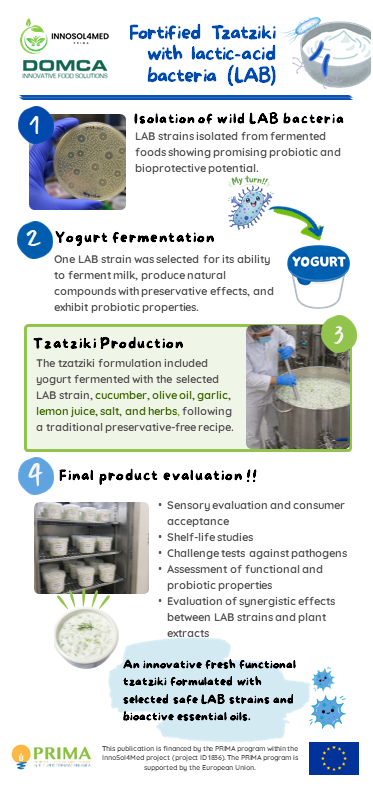
Figure 4. Tzatziki
🍞 Can bread become healthier, safer, and more sustainable without changing the way it looks or tastes?
What if a simple slice of sandwich bread could benefit from the power of natural fermentation?
Within the InnoSol4Med project, researchers developed an innovative fermented oat-chickpea ingredient that partially replaces conventional wheat flour in soft sandwich bread. The ingredient is produced by fermenting a carefully selected blend of oat and chickpea grains using a co-culture of beneficial lactic acid bacteria, Lactiplantibacillus paraplantarum and Leuconostoc lactis (Figure 5.).
Why is this important?
The natural fermentation process creates a functional ingredient that helps produce bread with a softer crumb, a naturally lower dough pH, and enhanced microbiological safety while preserving the bread's traditional appearance and consumer appeal.
Even more importantly, the selected beneficial bacteria exhibit strong biopreservative properties, helping to inhibit spoilage microorganisms such as Bacillus cereus. This offers a natural approach to improving food safety without compromising quality.
By combining cereals, legumes, and beneficial microorganisms, this prototype demonstrates how traditional baking can be enhanced through science to create more nutritious, functional, and naturally protected bakery products.
Could the future of bread lie in the power of fermentation?
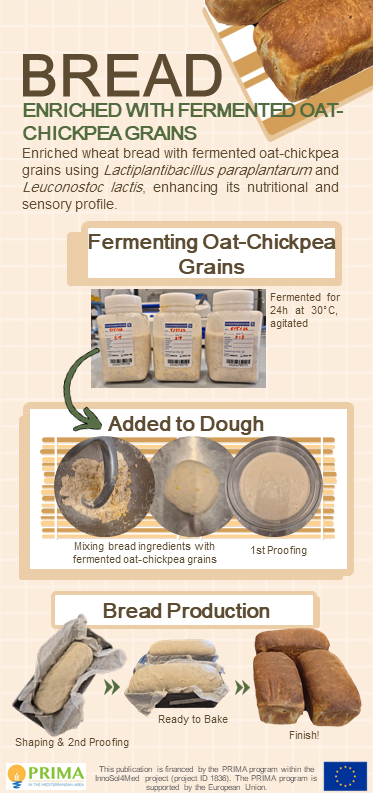
Figure 5. Oat-chickpea bread
🥛✨ From Traditional Kefir to Functional Innovation ✨🥛
What if a traditional fermented drink could become an even more powerful functional food?
Within the InnoSol4Med Project, researchers are exploring innovative ways to fortify traditional kefir using sustainable bioactive compounds and advanced food technologies. The goal is to improve nutritional value, stability, and functionality while preserving the natural benefits of fermented foods (Figure 6.).
🔬 How was the kefir fortified?
The process combines:
1️⃣ Citrus peel essential oils and their nanoemulsion forms
2️⃣ Spray drying and encapsulation technologies
3️⃣ Microencapsulation of functional compounds
4️⃣ Fortification of traditional kefir
By transforming citrus by-products into functional ingredients, the project supports both health innovation and sustainability. Nanoemulsions help improve the stability and bioavailability of natural compounds, while encapsulation protects sensitive bioactive ingredients during processing and storage.
🌱 Why is this important?
Kefir is already known for its probiotic potential and beneficial microorganisms that may support gut health and immune balance.
The fortification approach developed in InnoSol4Med aims to further enhance:
✔ Antioxidant activity
✔ Antimicrobial properties
✔ Functional value of fermented dairy products
✔ Shelf stability of natural ingredients
♻️ Sustainability meets food science
An important aspect of the project is the valorization of agro-food by-products such as citrus peels, transforming waste into high-value functional ingredients for healthier foods.
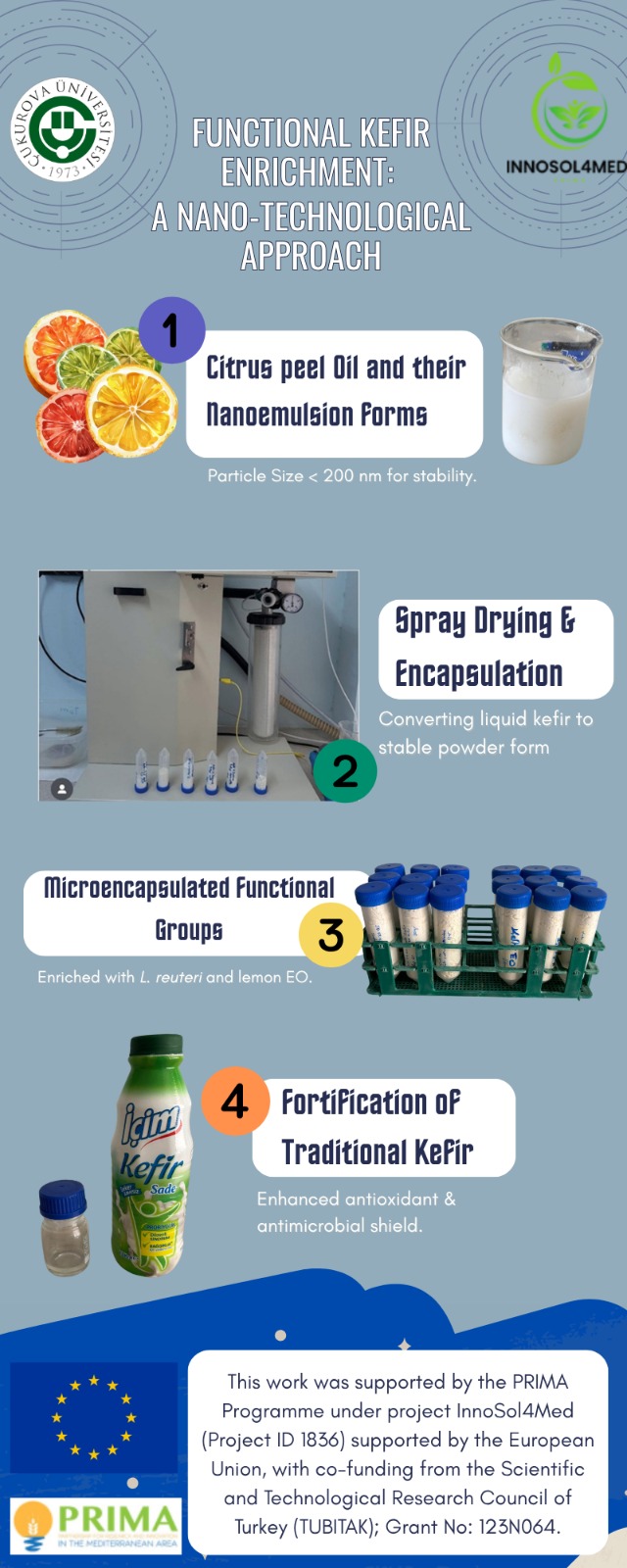
Figure 6. Kefir
🥖 What if tradition and science could bake a healthier future together?
Our research explores an innovative approach to traditional Moroccan bread (Figure 7.) by combining:
🌱 Natural mint extract
🦠 Indigenous Moroccan lactic acid bacteria (LAB)
🍞 Functional sourdough technology
The result? A naturally functional bread that preserves tradition while enhancing quality, safety, and nutritional value.
Follow our journey through every stage of the research!
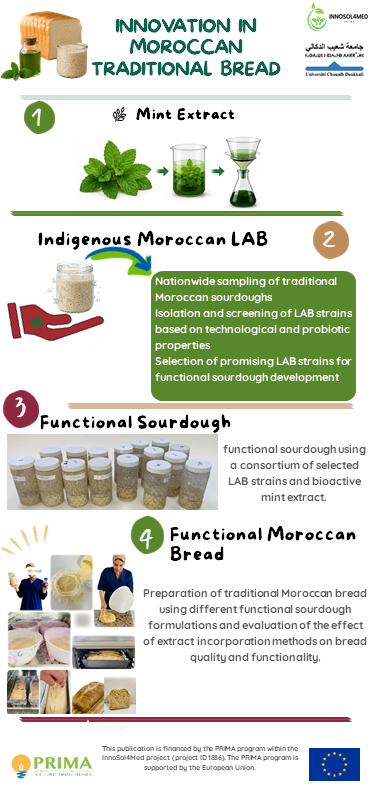
Figure 7. Morrocan bread